The Escalating Tensions Between Iran and Israel
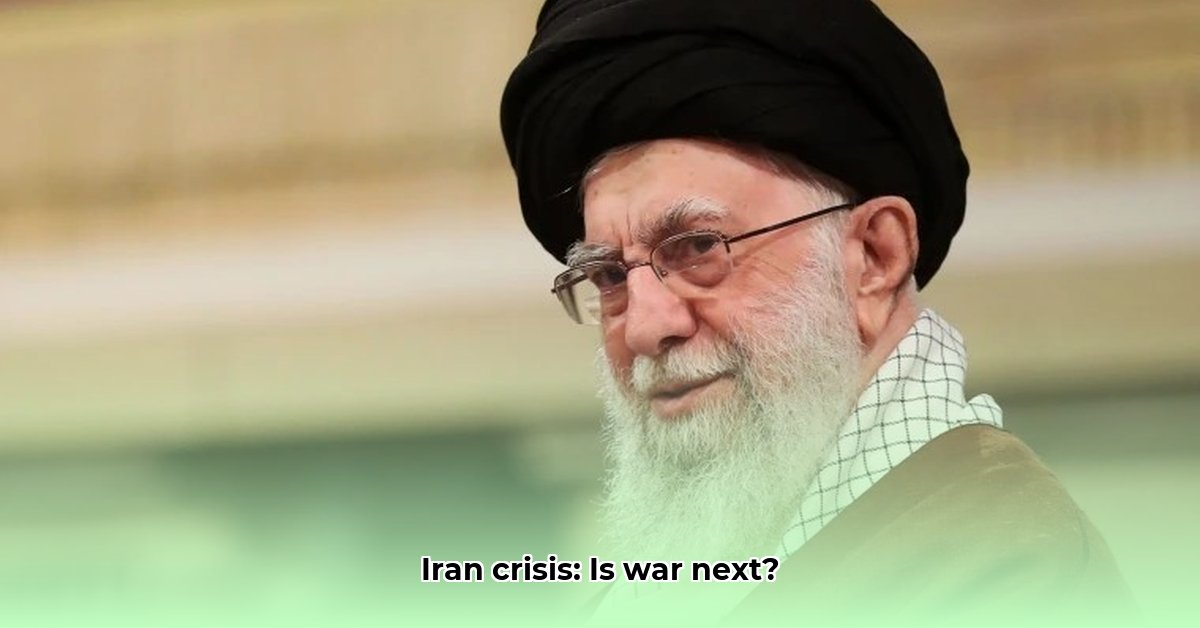
The Middle East is facing a volatile period, marked by escalating tensions between Iran and Israel. This isn't just a bilateral spat; it's a complex geopolitical issue with far-reaching consequences for the entire region and beyond. The current crisis is a culmination of long-standing animosity, fuelled by recent events and the actions of various regional and international actors. This analysis will delve into the key players involved, the international response, and potential pathways towards de-escalation. Understanding the nuances is critical to comprehending the gravity of this situation.
Historical Context: A Deep-Rooted Conflict
The Iran-Israel conflict has deep historical roots, extending far beyond recent events. Decades of mutual distrust, ideological differences, and competing regional ambitions have created a volatile dynamic. Israel views Iran’s nuclear ambitions as an existential threat, citing the potential development of nuclear weapons. Iran, on the other hand, insists its nuclear program is purely for peaceful purposes, a claim met with scepticism by many in the international community. This fundamental disagreement forms the bedrock of the current tensions. How can these deeply entrenched positions be reconciled?
Key Players and Their Actions: A Complex Web
Several key players are intricately involved in this complex web of conflict. Israel, driven by security concerns, has taken actions it deems necessary to counter perceived threats from Iran. Iran, facing international pressure and internal political dynamics, has responded in kind, utilising its proxy networks to exert influence. The United States, a major player in the region, plays a critical role, influencing events through diplomatic efforts and sanctions, yet its involvement is continuously scrutinized. Furthermore, regional powers like Turkey and others navigate a delicate balance, seeking to maintain their own interests while avoiding direct confrontation.
International Response: A Fragmented Approach
The international community's response to the escalating tensions has been far from unified. While there's general condemnation of violence against civilians, significant differences of opinion exist regarding the root causes and appropriate solutions. The United Nations, despite its efforts, struggles to produce a consensus approach, reflecting the deep divisions within the international community. Some nations firmly support Israel’s actions, while others express more understanding towards Iran’s perspective. This lack of cohesion hampers effective conflict resolution.
Analysis and Interpretation: Unpacking the Risks
The current situation presents several significant risks. A small-scale escalation might involve targeted attacks, but a wider regional conflict remains a very real possibility. A prolonged period of instability, punctuated by sporadic violence, also looms as a serious concern. Iran's nuclear program remains a key uncertainty, exacerbating the overall risk. The potential for widespread humanitarian crisis, as seen with the displacement of civilian populations, is a major concern.
Actionable Intelligence: Effective de-escalation requires a multifaceted approach including a UN-brokered ceasefire, renewed diplomatic engagement among key players, international pressure on proxy groups and the establishment of lasting regional security frameworks.
Risk Assessment Matrix: Addressing the deep-seated distrust between nations and improving transparency remains essential for long-term stability.
- High Risk: Full-scale regional conflict leading to massive civilian casualties and displacement.
- Medium Risk: Protracted low-level conflict, hindering regional stability and economic development.
- Low Risk: Successful diplomatic efforts leading to de-escalation and a path towards lasting peace.
Conclusion: The Urgent Need for De-escalation
The situation between Iran and Israel is precarious and demands urgent attention. The potential for a catastrophic escalation remains high, underscoring the importance of multilateral diplomacy, clear communication, and a concerted effort to find peaceful, lasting solutions. The international community must collectively address the underlying causes of the conflict to prevent a wider regional conflagration and mitigate the human cost. The path forward requires sustained engagement, a willingness to compromise, and a shared commitment to preventing further escalation. The future of the Middle East hangs in the balance.